
 Stefan_T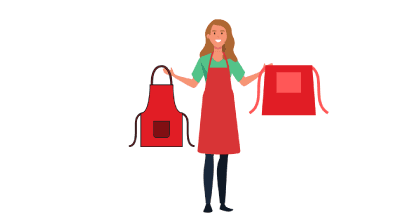
Custom Logo Aprons: How to Choose the Right Style
 |
Custom logo aprons do more than protect clothing.
They help customers identify employees, give a team a consistent appearance, and keep your logo visible throughout the day. For restaurants, retailers, garden centers, schools, nonprofits, and event teams, that makes an apron both a practical tool and part of the uniform.
But not every apron works for every job.
A restaurant server may need a waist apron with several pockets. Someone preparing food, arranging flowers, or leading a craft activity may need the additional coverage of a full-length apron.
The right choice depends on how the apron will be used.
In this guide, we’ll compare custom aprons
based on coverage, pockets, fabric, logo placement, and customization method.
Why Use Custom Logo Aprons?
 |
A regular apron protects clothing. A customized apron does that while also representing your business, organization, or event.
Custom aprons can help:
- Make employees and volunteers easier to identify
- Protect clothing during messy tasks
- Give staff a more consistent appearance
- Provide convenient storage for tools and supplies
- Keep your logo visible to customers
- Turn a practical work item into part of your brand
Aprons are also flexible. Unlike a uniform shirt, an apron can be worn over different clothing as the weather, season, or work environment changes.
This makes aprons useful for businesses that want a recognizable uniform without replacing everything an employee wears.
Which Businesses Benefit From Custom Aprons?
Aprons are most useful when employees need clothing protection, convenient storage, or a visible way to show that they are part of the staff.
Restaurants, Cafés and Catering Companies
Restaurants are probably the first businesses that come to mind when you think about custom aprons.
Servers can use apron pockets to carry order pads, pens, bottle openers, and other supplies. Kitchen employees and catering teams benefit from the additional clothing protection provided by a full-length apron.
Adding a company logo also helps create a more consistent appearance across the restaurant.
Bakeries, Delis and Grocery Stores
Employees working with food, packaging products, stocking shelves, or serving customers can benefit from the protection of an apron.
A visible logo can also make employees easier to identify when customers have a question or need assistance.
Garden Centers and Florists
Soil, water, plant material, and floral supplies can quickly stain everyday clothing. An apron provides an additional layer of protection while giving employees a place to carry pens, labels, gloves, and small tools.
Hardware Stores and Workshops
Aprons can be useful in hardware stores, art studios, woodshops, pottery classes, and other hands-on environments.
Before choosing an apron, consider what employees need to carry. Standard apron pockets may be suitable for small supplies, but heavy or sharp tools may require specialized workwear.
Schools and Childcare Programs
Teachers, daycare employees, cafeteria workers, and activity leaders can use aprons during art projects, food preparation, science activities, and other potentially messy tasks.
Adding the school or program logo can also help parents and students identify staff members.
Nonprofits and Volunteer Groups
Custom aprons work well for soup kitchens, meal programs, fundraisers, concession stands, community events, and other service projects.
They identify volunteers while protecting the clothing volunteers already have on.
Retail Businesses
An apron can be a practical uniform option even when the work is not particularly messy.
Retail employees can use the pockets to carry small supplies while the apron helps customers recognize who works there.
Businesses can also pair aprons with workwear T-shirts
for a more complete employee uniform.
Cooking Events and Corporate Activities
Custom aprons are not limited to everyday uniforms. They can also be customized for:
- Cooking classes
- Company cookouts
- Barbecue competitions
- Food festivals
- Fundraisers
- Product demonstrations
- Holiday events
- Employee gifts
- Customer gifts
For an event, the apron can serve as both workwear and a useful keepsake participants can take home.
Start With How the Apron Will Be Used
The easiest way to choose an apron is to begin with the job itself.
Ask a few practical questions:
- How much clothing protection does the wearer need?
- Will the employee be standing, bending, or moving quickly?
- What needs to be carried in the pockets?
- How often will the apron be washed?
- How visible should the logo be?
- Will the apron be worn daily or only for an event?
Once you answer those questions, it becomes much easier to choose between a waist apron, medium-length apron, or full-length apron.
Waist Aprons
 |
A waist apron covers the area from the waist down. It normally includes several pockets while leaving the upper body unrestricted.
Waist aprons work especially well for:
- Restaurant servers
- Bartenders
- Cashiers
- Café employees
- Retail employees
- Event staff
- Employees who need maximum mobility
The main limitation is coverage. A waist apron will not protect the wearer’s shirt from spills above the waist.
The Port Authority A515 Waist Apron
is made from cotton twill and includes three pouch pockets and a pen pocket. It is a practical choice for servers and other employees who need to keep several small items nearby.
Medium-Length Aprons
A medium-length apron provides upper-body protection without extending as far down as a traditional full-length apron.
This can be a useful middle ground for:
- Craft activities
- Retail employees
- Garden centers
- Product demonstrations
- Light food preparation
- Employees who frequently bend or move
A medium-length apron offers more coverage than a waist apron while allowing greater freedom of movement than some longer styles.
The Port Authority A510 Medium-Length Apron
is 24 inches long and includes two pouch pockets and a pen pocket.
Full-Length Aprons
A full-length apron covers both the upper and lower portions of the body. It is the familiar apron style commonly worn by cooks, bakers, florists, and workshop employees.
Full-length aprons are a strong choice for:
- Food preparation
- Bakeries
- Delis
- Florists
- Art programs
- Workshops
- Jobs involving frequent spills
- Employees who need additional clothing protection
The Port Authority A520 Full-Length Apron
uses a polyester and cotton blend. It includes two patch pockets, a pen pocket, and an adjustable fitting system.
The Port Authority A500 Full-Length Apron
is a cotton twill alternative for businesses that prefer a traditional apron fabric.
How Many Pockets Do You Need?
Pockets are one of the most practical parts of an apron, but more pockets are not automatically better.
Start by listing what the person wearing the apron will actually carry.
That might include:
- Order pads
- Pens
- Bottle openers
- Small tools
- Product labels
- Gloves
- Craft supplies
- Cleaning cloths
- Mobile devices
Restaurant servers often benefit from several smaller pockets that help keep items separated. Craft workers, florists, and retail employees may prefer fewer, larger pockets.
You should also consider the weight of the items being carried. A standard apron is suitable for lightweight supplies, but filling the pockets with heavy tools can make the apron uncomfortable and may cause unnecessary wear.
Cotton or Polyester/Cotton Aprons?
Most customizable work aprons are made from cotton twill or a polyester and cotton blend.
Neither option is automatically better. The right fabric depends on the appearance, feel, and care requirements your team prefers.
Cotton Twill
Cotton twill has a traditional, substantial feel and is commonly used for work aprons.
It can be a good choice when you want:
- A classic apron appearance
- A heavier fabric feel
- A natural-fiber option
- A sturdy apron for everyday work
Cotton can wrinkle more easily than a blended fabric, so laundering and daily care should be considered when ordering for a large staff.
Polyester and Cotton Blends
Polyester and cotton blends are generally easier to maintain and less prone to wrinkling.
They can be a practical option for:
- Restaurants with frequent uniform washing
- Catering companies
- Large employee teams
- Businesses that want easier daily care
Some apron styles also include stain-release protection. Check the individual product details because fabric treatments and features vary by apron.
Choosing the Right Apron Color
Apron color affects both the appearance of the uniform and the visibility of the logo.
Dark colors such as black and navy are popular because they can create a traditional uniform appearance. Lighter and brighter colors can make employees easier to identify or help match an established brand.
Before choosing a color, consider:
- Your company’s existing brand colors
- The color of the logo
- The work environment
- How easily stains may appear
- Whether employees will wear matching shirts underneath
- The print or thread colors used in the design
Contrast is especially important. A dark logo may disappear on a black or navy apron, while a light print color will be much easier to see.
Where Should the Logo Go on an Apron?
The available design location depends on the style of apron you choose.
Center Chest
The center chest is one of the most visible locations on a full-length apron. It works well for company logos, organization names, and designs that should be recognizable from a distance.
This location also gives the design more room than the smaller design areas available on some apron styles.
Left or Right Chest
A smaller chest logo can create a more understated uniform appearance.
This placement works well for compact company logos, employee uniforms, and designs that do not need to dominate the entire apron.
Waist Apron Design Area
Waist aprons do not have an upper chest area, so the available customization space is smaller than it is on a bib apron.
Simple logos, short business names, and artwork with limited detail are usually the best fit for the approved design area on a waist apron.
Each apron has specific areas where artwork can be added. Your design will be placed within the available customization area for the product you select.
Should You Print or Embroider Custom Aprons?
The right customization method depends on the apron, artwork, order quantity, and appearance you want.
Not every apron is available with both decoration methods, so check the product options before choosing a style.
Screen-Printed Aprons
Screen printing is a strong choice for:
- Larger logos
- Bold artwork
- Promotional events
- Restaurant uniforms
- Bulk orders
- Designs with one or a few solid colors
Printing generally allows for a larger design than embroidery. It can also be an affordable option when ordering larger quantities with a simple design.
For the best result, avoid extremely small text, thin lines, and details that may be difficult to see on the apron fabric.
Embroidered Aprons
Embroidery is often chosen for:
- Small company logos
- Restaurants and hospitality teams
- Employee names
- Professional uniform programs
- Designs intended for the upper chest
Because embroidery uses thread, detailed artwork may need to be simplified for stitching. Very small text and thin details may also need to be enlarged or adjusted.
Embroidery usually works best when the design is compact. A large embroidered design can become heavy, stiff, and more expensive because embroidery pricing is affected by stitch count.
Tips for Designing a Custom Apron
An apron has less available design space than a T-shirt, so simple artwork usually works best.
Before submitting your design, consider the following tips.
Keep the Main Message Simple
Avoid trying to include a logo, slogan, phone number, website, social media handle, and several lines of text in one design.
Decide what people need to notice first.
For most businesses, that will be the company logo or business name.
Make the Text Readable
Text that looks readable on a computer screen may become difficult to see once it is reduced to fit the available design area.
Choose lettering that is large enough to read and avoid extremely thin fonts.
Use Strong Color Contrast
Make sure the design stands out against the apron color.
Light printing works well on dark aprons, while darker colors usually provide stronger contrast on white, tan, and other light-colored aprons.
Stay Within the Available Design Area
Each apron style has specific locations where artwork can be added. Keep your logo sized appropriately for the design area offered on the selected product.
Consider Viewing Distance
Think about where customers will see the apron.
If employees need to be recognizable from across a restaurant, store, or event, prioritize a visible logo over small supporting text.
Choose Something Employees Will Wear
The apron still needs to function as part of a uniform.
Choose a color, length, material, and style that makes sense for the job. Even the best-looking logo will not help if the apron is uncomfortable or impractical.
How Many Custom Aprons Should You Order?
Begin with the number of people who will regularly wear them.
Then consider how often the aprons will be washed and whether employees need more than one.
It is also helpful to order extras for:
- New employees
- Additional volunteers
- Spills and stains
- Lost or damaged aprons
- Busy shifts requiring additional staff
- Future events
Ordering a few extras can save you from placing a small replacement order later. Larger quantities may also lower the cost per apron through bulk pricing.
Common Custom Apron Mistakes
A little planning can prevent most apron ordering problems.
Choosing Based Only on Appearance
An apron may look great in a product photo but still be wrong for the job.
Think about coverage, movement, storage, laundering, and daily use before choosing based on color or style.
Ordering Too Few Aprons
Only ordering one apron per employee leaves no replacements available during washing or when an apron becomes stained or damaged.
Using Too Much Artwork
A crowded design becomes difficult to read, especially when placed within a smaller customization area.
Keep the most important information and remove anything that does not need to be there.
Choosing the Wrong Level of Coverage
A waist apron may not provide enough protection for food preparation or craft activities. A full-length apron may be unnecessary for a server who primarily needs pocket storage and freedom of movement.
Forgetting About Apron Color
The apron and logo may look good separately but lack enough contrast when combined.
Always consider the garment color and design colors together.
Choosing the Right Custom Apron
 |
The best apron is not necessarily the longest, heaviest, or most expensive option. It is the apron that fits the work being performed.
For fast-moving servers, that may be a waist apron with several pockets. For food preparation, gardening, crafts, or workshops, a full-length apron may provide the necessary protection.
For a smaller professional logo, embroidery may be the right choice. For a larger event or company design, screen printing may make more sense.
Start with how the apron will be used. Then compare coverage, pockets, fabric, color, and available customization options.
Explore Bolt Printing’s selection of custom printed aprons